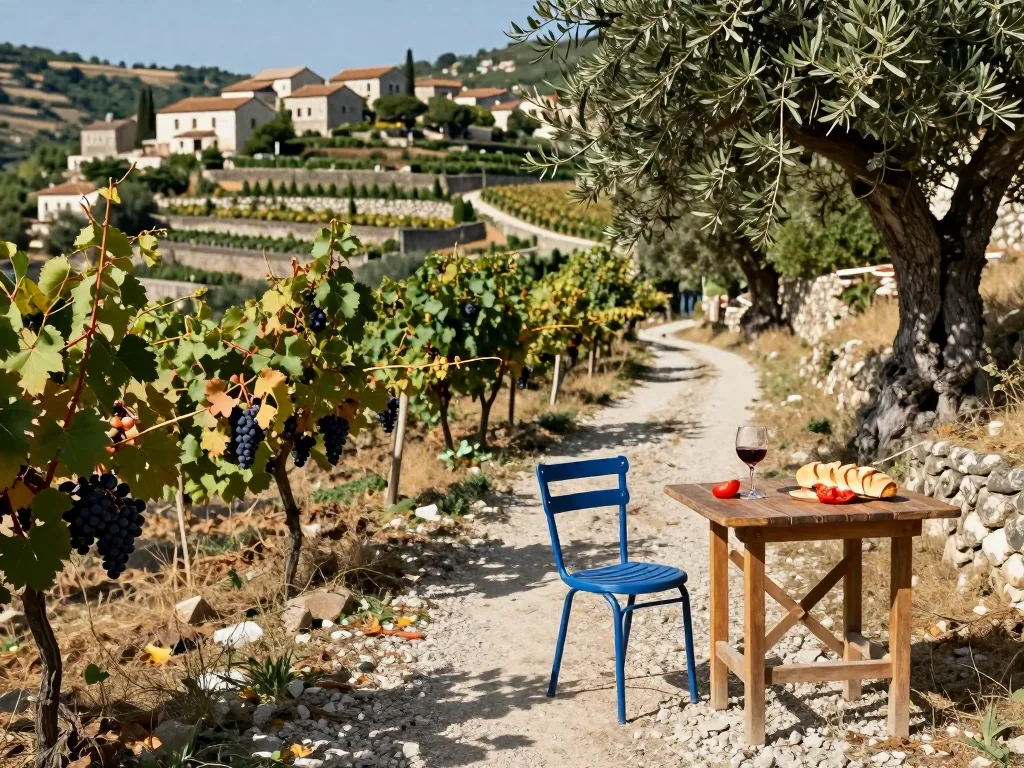
Priorat in a Day: The Ultimate 2026 Wine Tour from Barcelona
Discover Priorat's rugged vineyards & bold wines on this ultimate 2026 day tour from Barcelona. Expert guide, tastings, & scenic wineries included.
Just over an hour from Barcelona’s bustling streets lies Priorat—one of Spain’s most dramatic wine regions, where century-old vines grip steep, slate-strewn hillsides. Dreaming of tasting the powerful, mineral-driven reds that earned this tiny appellation international cult status? Short on time? This guide is your key. We’ve distilled the perfect 24-hour itinerary, covering essential wineries, scenic stops, and local lunch spots that make a day trip feel like a week-long escape. You’ll learn to navigate winding roads, know which cellars need reservations, and get every practical tip to turn a fleeting visit into an unforgettable oenophile adventure.
Getting There from Barcelona
Driving Routes and Time Estimates
Renting a car gives you the most freedom, especially if you want to linger at a vineyard or chase a sunset over the llicorella slate slopes. From Barcelona, take the AP-7 south toward Tarragona, then merge onto the C-14 or N-420 heading inland toward the Priorat. The drive totals roughly 1.5 to 2 hours, covering about 120 kilometers. Expect tolls on the AP-7—typically between €12 and €18 each way for a standard sedan—so factor that into your budget. The real adventure begins once you leave the highway: you’ll wind through mountain roads with steep gradients and tight switchbacks as you climb toward villages like Gratallops, Porrera, and Falset. These roads are spectacular but demand attention; plan for slower speeds near the villages, especially if you’re driving a manual transmission on an incline. Not used to mountain driving? Consider hiring a private driver for the day—costs run from €280 to €420 per vehicle, which includes waiting time and allows everyone to taste freely.
Train and Last-Mile Options
Prefer not to drive? The Rodalies R15 line departs from Barcelona Sants station and heads directly to Falset, the unofficial capital of the Priorat. The journey takes about 2 to 2.5 hours, with tickets priced from €11 to €18 each way. It’s a scenic ride cutting through the Catalan countryside—but here’s the catch: once you arrive at Falset station, you’re on your own for the last mile. No public buses connect the train station to the wineries or surrounding villages, so you’ll need a local taxi or a pre-booked rental car from one of the agencies in Falset. A taxi to a nearby winery like Clos Mogador or Ferrer Bobet costs between €15 and €25 per ride, and drivers may wait for an hourly fee. Before leaving Barcelona, confirm your return train times—afternoon departures from Falset are limited, sometimes with gaps of two hours or more, so missing one could mean a long wait on the platform. If you plan to visit multiple bodegas, the train option works best with a pre-arranged private transfer from Falset, which typically runs from €90 to €150 per hour for a group of up to four.
Planning your day around the villages is the key to truly savoring Priorat—otherwise, you risk feeling like you’re on a conveyor belt. The roads twist, the vineyard slopes are steep, and hopping between every hamlet will eat into your tasting time. A smarter approach: pick one anchor village for the afternoon, make a single focused excursion, and then head back to Barcelona.
Gratallops as Your Base
Gratallops is Priorat’s undisputed tourism hub, and it earns that reputation. Perched on a rocky outcrop, this village packs the highest concentration of tasting rooms, family-run cellars, and restaurants into a 200-meter radius. Make it your midday anchor. Arrive around 11:00 AM and park at the edge of town—the main square fills up fast. Start with a seated tasting at a cooperative like Celler de l’Apostoli, or opt for a boutique spot such as Clos Figueras, whose terrace offers sweeping views. For lunch, Plaça de la Constitució is the place to linger; many restaurants serve a menú del dia for roughly €18 to €28 per person, with local lamb, wild mushrooms, and a glass of Garnacha thrown in. Before you set off for the afternoon, check the small grocery or the wine shop near the church for picnic staples—cheese, cured sausage, crusty bread—so you can assemble a terrace snack later. Gratallops is your safety net: if a winery visit runs long, you’ll still find a café for coffee or a last-minute bottle to take home.
Visiting Porrera, Poboleda, and Falset
If you have energy for a second village, choose with care. Porrera, just 15 minutes southeast, boasts the steepest, most dramatic terraces—many of its old vines cling to slopes at 40-degree angles. It feels quieter and more rustic than Gratallops, with a working-village character. A handful of family wineries operate here, but most require an appointment, so book ahead. Poboleda, a 20-minute drive north, sits higher in the Montsant mountains, where a cooler microclimate yields fresher, more mineral-driven wines. Its small cooperative, Celler de Poboleda, welcomes walk-ins. Falset, the county capital, stands apart: it has a striking modernist train station, a hilltop castle, and a few wine shops, but its wineries are scattered on the outskirts, demanding a car. Unless you’re catching a train back to Barcelona—a scenic but slow option—prioritize Porrera or Poboleda for a relaxed afternoon. Trying to “do” all three in a single day will leave you rushing, and that’s precisely the opposite of Priorat’s slow, contemplative rhythm. Choose one, linger, and let the landscape do the rest.
Understanding Priorat’s Wine Identity
To truly appreciate a Priorat wine tour from Barcelona, you first need to grasp what makes this rugged, mountainous DOQ so distinctive. This isn’t a landscape of gentle, rolling vineyards; it’s a dramatic amphitheater of schist and sheer effort.
Llicorella Soils and Steep Terraces
Priorat’s soul lies in its soil—a dark, fractured slate known as llicorella. This shimmering, layered rock isn’t just a pretty surface; it’s the region’s engine. By day, the shattered slate soaks up the intense Mediterranean sun; by night, it slowly radiates that warmth back to the vines, stretching the ripening period and boosting sugar concentration. Underground, the rock holds little water, so the vines must drive their roots deep into cracks and fissures to survive. That natural stress—paired with unforgiving, hand-worked terraces on slopes up to 60%—drastically limits yields. What emerges are grapes of extraordinary intensity, yielding wines that are dense, powerful, and unmistakably mineral-driven.
Grapes and Wine Styles
International varieties like Syrah and Cabernet Sauvignon do appear in some blends, but Priorat’s heart beats with two native grapes: Garnacha (Grenache) and Cariñena (Carignan). Garnacha brings lush red fruit and body; old-vine Cariñena—often rooted in the steepest, poorest terraces—adds structure, acidity, and profound depth. Expect bold, high-alcohol reds (frequently 14.5% to 15% or more) that burst with dark cherries and plums, layered over unmistakable notes of graphite, wild herbs, and roasted coffee. These are not shy wines. Yet many are beautifully structured with firm tannins, rewarding those who wait. At a cellar door, don’t just taste the current release—ask for an older vintage from the library. Watching a Priorat evolve over five to ten years, as fruit recedes and mineral, savory complexity takes over, is the single best way to understand its true identity. For a guided day trip from Barcelona that includes tastings of these powerful wines, budget from €180 to €280 per person for transport, a guided visit, and tastings at two or three different bodegas.
Choosing Wineries for a Day Trip
Iconic Estates and Reservation Policies
Priorat’s legendary names exert an undeniable pull. Clos Mogador, Clos Erasmus, and Álvaro Palacios’s L’Ermita form the region’s holy trinity—wines with cult status that have commanded global attention for decades. But visiting these estates demands strategy, not spontaneity. Their tasting rooms are intimate by design, with limited slots that vanish quickly, particularly on weekends and during the September harvest. You’ll need to contact them directly via email or phone, often three to four weeks ahead for a Saturday spot. Expect structured, sommelier-led tastings lasting 60 to 90 minutes, with fees from €45 to €120 per person depending on the flight. These are formal, educational deep dives into terroir rather than casual sipping. If you secure a reservation, treat it as the day’s centerpiece—arrive early, and don’t expect flexibility in start times.
Smaller and More Accessible Cellars
When the famous names are booked, or you’d rather keep things loose, Priorat’s smaller, family-run cellars deliver a more relaxed—and often more personal—experience. Cellers Scaladei, for instance, leads with a hospitality-first approach, frequently accommodating same-day requests on weekdays. Many bodegas, such as Celler Mas Doix or Celler Laurona, offer equally compelling wines without the reservation anxiety. The key is limiting yourself to two or three wineries maximum; squeezing in four or five leaves you rushed on winding mountain roads and drained by day’s end. Before heading out, confirm whether tours are conducted in English or Catalan. Spanish is common in Barcelona, but rural Priorat’s workforce is often Catalan-first, and some smaller cellars have limited English. A quick email clarifying language preference and asking about walk-in availability on your specific weekday prevents a silent, awkward tasting. Ultimately, the best day balances one iconic estate with one or two hidden gems, leaving room for a long lunch in between.
Booking Tastings and Tours
How to Reserve in 2026
The most important advice for a Priorat day trip: book directly. Third-party platforms are notoriously unreliable for the region’s smaller, family-run cellars. Many of the most celebrated wineries list tasting slots only on their official websites or via a direct email address. For 2026, the golden rule is to go straight to the source. Check the winery’s site for a “Visits” or “Enoturismo” tab. No online calendar? Send a concise email in Spanish or Catalan—English is usually handled, but local languages get faster replies. Timing matters. Traveling during harvest (September through October)? Reserve at least two weeks ahead; cellar staff juggle picking and guiding. Weekend visits, especially Saturdays from May to October, require a full month’s notice. Same-day bookings are nearly impossible, so treat your reservation as the anchor of your itinerary.
Tasting Formats and Costs
Standard visits follow a familiar rhythm: cellar tour, vineyard walk (often on steep, slate-covered slopes), and a seated tasting of three to five wines, lasting 60 to 90 minutes. Expect to pay €25 to €45 per person. For something deeper, several wineries offer vertical tastings of older vintages—a rare treat where Garnacha and Cariñena shine—or food pairings with local olive oil, cheese, and cured meats. These upgraded formats run €50 to €90 per person and need at least a week’s notice, as older bottles must be pulled from temperature-controlled storage and a caterer coordinated. A few top estates offer “vineyard-to-glass” experiences, including a short 4x4 ride up the hills, which can reach €120 per person—but these are exceptional. Always confirm the cancellation policy before paying any deposit. Many wineries now charge €10 to €20 per person to secure weekend slots, non-refundable if you cancel within 48 hours. Read the fine print, save your confirmation email, and if running late, call ahead. Most cellars hold your spot for 15 minutes—no longer, given the tight tour schedule.
Eating and Resting Between Visits
Lunch Options in Gratallops and Beyond
Gratallops sits at the natural heart of any Priorat route, and its stone-walled restaurants are made for long, unhurried breaks. The cooking is traditional Catalan—grilled lamb chops, wild mushrooms, the signature escalivada of smoked peppers and eggplant—all washed down with local Garnacha and Cariñena. Here, a multi-course lunch is the rule, not the exception, so set aside a full two hours if you sit down. Menus del dia run €18 to €32 per person, wine and coffee included. Want something quicker? Hit one of the village shops for a picnic: crusty pa de pagès, a wedge of Garrotxa cheese, slices of llonganissa, and a bottle of young Priorat. The best spot to eat is the mirador just above the village, where terraced slate hillsides (llicorella) roll out toward Montsant. For a change of scene, Porrera, the next village over, has a couple of family-run taverns—but they fill fast, so arrive before 1:30 PM or expect to wait.
Coffee, Snacks, and Restrooms
Think ahead about caffeine and toilets: public restrooms are practically nonexistent outside restaurants, so use the facilities at every winery. Cellar doors keep clean bathrooms near the tasting room and expect you to use them. For coffee, the cafés in Gratallops are your best bet—order a café amb llet with a slice of coca de vidre for around €2 to €4. But watch the siesta rhythm: village shops and even some cafés shut between roughly 2 PM and 5 PM, especially outside Gratallops. Touring late in the afternoon? Your only refreshments may be at the wineries themselves, which often have small bars or vending machines. Always keep a bottle of water in the car—summer heat in Priorat is brutal, often topping 35°C—plus almonds or dried fruit for energy between stops. If you stumble on an open café in a smaller village like Bellmunt or Falset, treat it as a gift: grab a coffee and a pastry before moving on, because you might not see another one for hours.
Adding Culture and Nature to Your Day
Hiking and Viewpoints in Priorat-Montsant
The Priorat wine region overlaps significantly with the Priorat-Montsant natural park—and not by chance. The same steep, slate-rich slopes that yield your glass of Garnacha define the park itself. To truly grasp the effort behind every bottle, lace up your walking shoes for a short trail from Gratallops. The most rewarding route follows the old mule path climbing to the abandoned terraces above the village, where dry-stone walls and century-old vines cling to the hillside. Done before your first tasting or as a digestive pause between visits, this one-hour walk offers panoramic ridges overlooking the Siurana River valley. You will see why Priorat vines are so low-yielding: the soil is literally fractured rock, and the gradient is punishing. The view alone—row after row of gnarled, low bushes on terraces defying gravity—explains the region’s intense, mineral-driven wines better than any cellar tour. The trail is free, clearly marked, and takes roughly 60 to 90 minutes round trip. For a longer option, the path from Porrera to the Coll de la Bassa overlook is also excellent, though it demands more stamina.
The Festa de la Verema and Local Traditions
If your day trip falls in late September, you are in luck: the Festa de la Verema (harvest festival) in Gratallops. This is no tourist contrivance but a genuine community celebration. Expect a morning parade with tractors decorated in grape bunches, children stomping grapes in wooden barrels, and long tables filling the town square for a communal lunch. Local cellars pour their new vintage, and live music—often traditional Catalan havaneres or modern rock—carries into the evening. Entry to the festival itself is free, though tasting tickets for wine stalls run from €8 to €15 per person. Outside festival dates, pivot to the small museums and churches in Falset or Porrera. The Cooperativa de Falset, a Modernist building by Cèsar Martinell (a student of Gaudí), houses a small wine museum with entry at €3 to €5. The parish church of Sant Jaume in Porrera, with its austere 18th-century stone façade, offers a quiet counterpoint to the bustling wineries. These stops reveal the region’s rural history—cooperatives, subsistence farming, and the generations who carved this impossible landscape by hand. Spend 45 minutes to an hour here, and your wine tasting will feel grounded in a place, not just a product.
Practical Tips for a Smooth Trip
What to Wear and Bring
The Priorat is rugged and beautiful, and your outfit should match the terrain. Paths between vines are uneven, dusty, and crumble underfoot, so leave the city loafers at home. Comfortable walking shoes with a solid grip are non-negotiable—trail runners or sturdy sneakers work best. Pack a light jacket or fleece, not for the outdoors, but for the cellars: most wineries keep aging rooms at a crisp 14–16°C, a sharp contrast to the midday sun. For tastings on sun-drenched terraces, bring sunscreen, a wide-brimmed hat, and sunglasses. The region enjoys over 300 days of sunshine annually, and the glare off the slate (llicorella) soil is intense. A small backpack is ideal, but skip glassware and large bags—many cellars have limited storage and prefer you travel light.
Time Management and Contingency Plans
Treat the schedule like a wine list: structured, but open to a surprise pour. Leave Barcelona by 8:00 AM to arrive around 10:00 AM, with a first tasting at 10:30 AM (most wineries open at 10:00). Book a second tasting near 1:00 PM, then settle into a long, unhurried lunch by 2:30 PM—that’s the right rhythm for Priorat. Head out by 5:00 PM to reach Barcelona by 7:00–7:30 PM, just in time for evening tapas.
But the mountains have their own plans. In 2026, roadworks on the C-14 and N-420 are frequent, and a summer storm can wash out a gravel track in minutes. Always have a backup winery in mind—a smaller estate like Clos Mogador or Mas d’en Gil—that you can call on the fly. Before leaving Barcelona, save two or three winery phone numbers and WhatsApp contacts; a quick message at 9:30 AM can rescue your afternoon if a tasting falls through.
Language and Payment Notes
“In 2026, most wineries take credit cards, but small villages like Gratallops or Porrera may have limited ATM access—carry €50–€100 in cash for emergencies or roadside olive oil stalls. English is common at major estates, but a few Catalan phrases—‘gràcies’ (thank you) and ‘bon dia’ (good morning)—go a long way.” For tastings, expect to pay from €25 to €45 per person for a standard three-to-five wine flight at a reputable estate, and from €60 to €90 per person for a premium reserve or vertical tasting. A full menu with wine at a family-run restaurant runs from €30 to €50 per person.
Sustainable and Responsible Wine Tourism
Priorat’s fame is rising, and with it, the duty of every visitor to tread lightly on this rugged, ancient landscape. The steep slate slopes—known as llicorella—and century-old vines are fragile, and the communities that tend them are small. The good news? 2026 has brought a wave of low-impact ways to explore the region without adding to the pressure.
Eco-Friendly Transport and Activities
The slowest way to see Priorat’s terraces is often the most rewarding. Several leading cellars, including Clos Figueras and Celler Devinssi, now offer guided electric bike tours that weave through the vineyard contours. You feel the gradient, stop spontaneously for photos, and never need a car. Prefer walking? Book a tour with a local oenologist. The paths between Gratallops, Porrera, and Torroja are well-marked, and a two-hour terrace hike gives you a visceral sense of the region’s dramatic amphitheaters. If you do drive, carpool from Barcelona—a shared van or hire car for four is cheaper and more sociable. Always park in designated lots on village outskirts; narrow medieval streets clog easily, and delivery trucks and harvest machinery need clear passage. Avoid idling near cellars, and carry a refillable water bottle—many bodegas now have filtered stations.
Supporting Local Communities
Your euro carries real weight here. Buy wines directly from the cellar door rather than a Barcelona supermarket; that way, the producer keeps the full margin, often 20–30% more than through distributors. Small family bodegas like Celler Mas Doix or Celler Joan Simó charge tasting fees from €15 to €25 per person, but these are waived or discounted if you purchase two bottles. For lunch, pick a family-run masia—think Cal Llop or Hostal Sport in Gratallops—where the menu shifts with whatever was harvested that week. Skip the chains and ask your winery host for their neighbor’s casa de menjars instead. These unpretentious spots serve rabbit with snails and local olive oil for €18–€28 per main course.
Crucially, respect the working landscape. Harvest workers face immense time pressure from late August to October; never walk through active vineyard plots without explicit permission, and keep dogs leashed. Don’t pick grapes or herbs from the terraces, and stay on marked paths when photographing. If you meet a farmer or cellar hand, a simple bon dia in Catalan goes a long way. By supporting the people who live and work here—not just the wine—you help ensure Priorat stays a living, working region rather than a theme park.
A Priorat wine tour from Barcelona is the perfect escape for anyone craving dramatic landscapes, bold Garnacha and Carignan, and a taste of Spain’s most ruggedly beautiful wine region—all in a single day. You’ll leave with bottles in your bag, but also a visceral memory of slate-soaked hillsides and century-old vines that no photo can capture. To make your 2026 trip seamless, book a small-group tour with hotel pickup in Barcelona, confirm the winery visits include a vertical tasting, and pack comfortable shoes for the steep vineyard terraces. Your next step is simple: reserve your date early, especially for the harvest months of September and October, and let the Priorat’s intensity do the rest.
Gallery
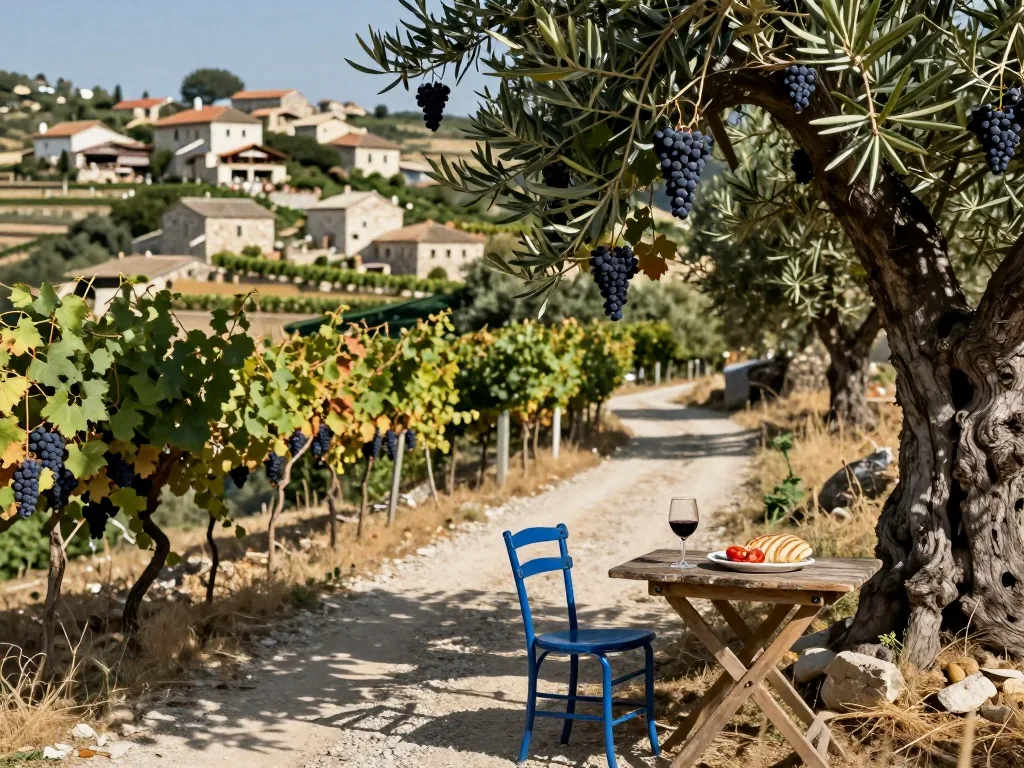
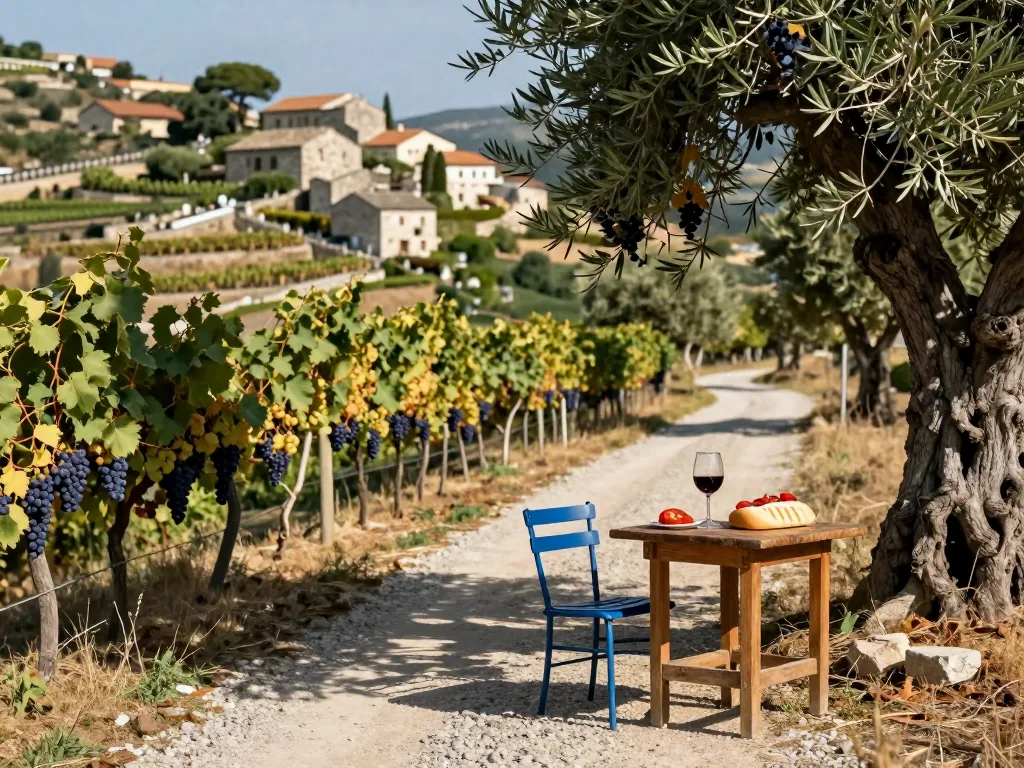
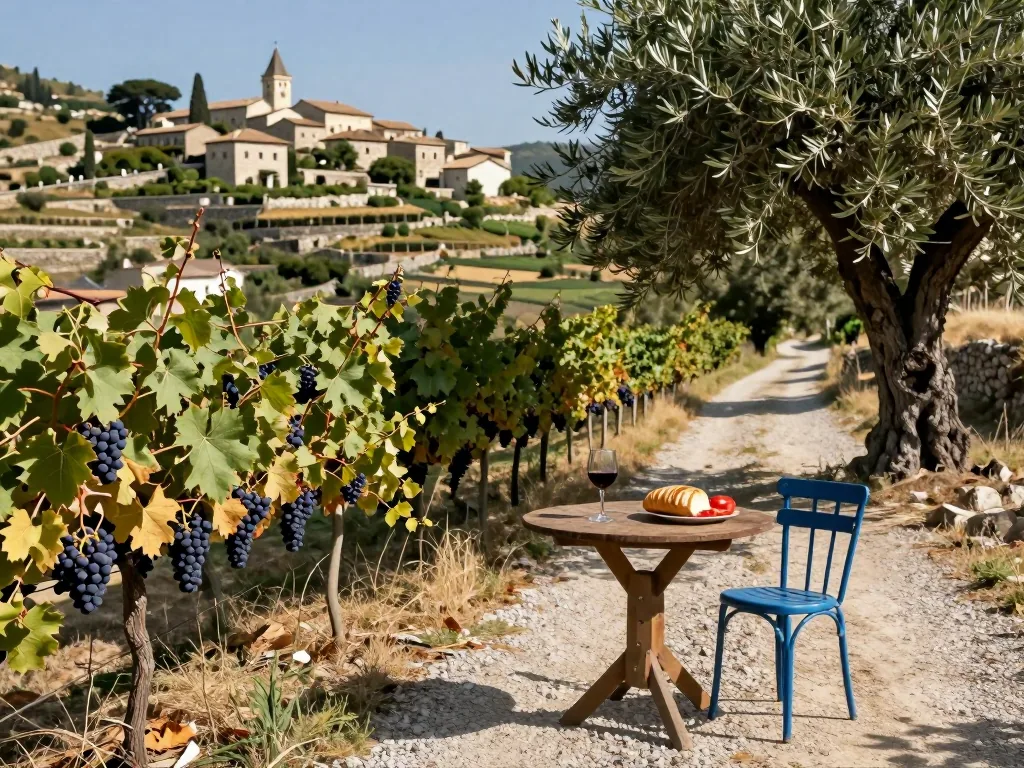
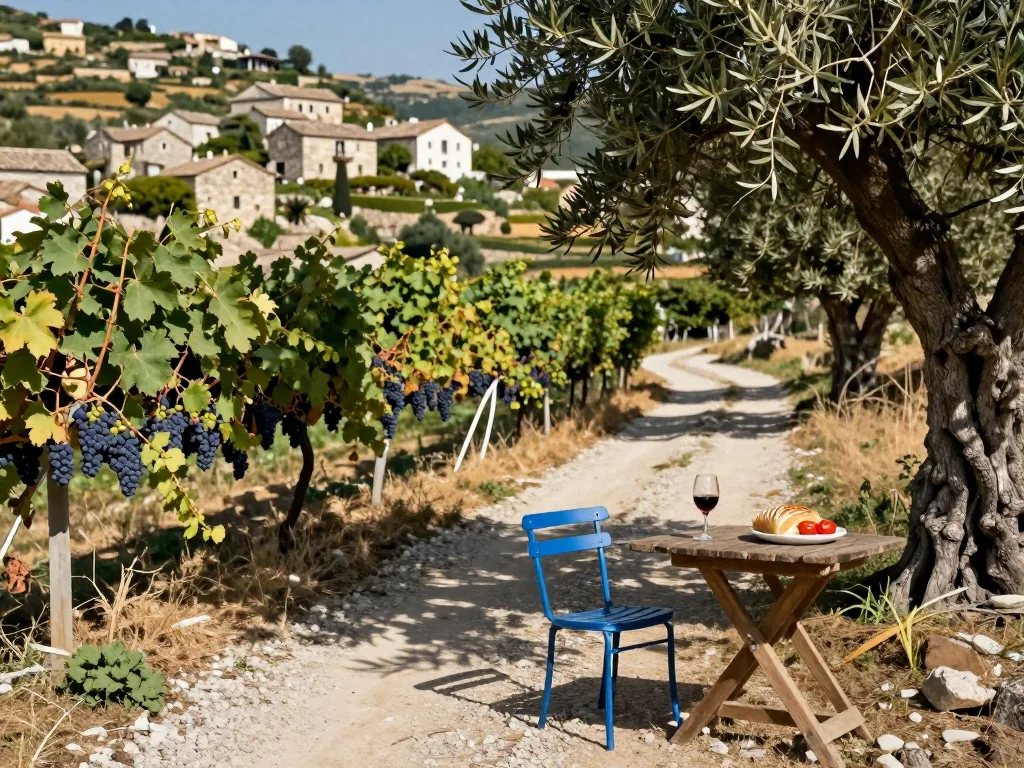
Frequently Asked Questions
How long does a typical Priorat wine tour from Barcelona take?
Most day trips from Barcelona to Priorat run between 11 and 13 hours, including round-trip transport, tasting stops, and a lunch break. You'll typically leave Barcelona around 8:00–8:30 AM and return by 8:00–9:00 PM, depending on traffic and the number of wineries visited.
What is the best time of year to take this tour in 2026?
The ideal windows are spring (April–June) and early autumn (September–October), when temperatures are mild and the vineyards show vivid green or harvest colors. Summer (July–August) can be very hot, and some wineries shorten their visiting hours, so check availability in advance if you travel then.
How far is Priorat from Barcelona, and what's the transport like?
Priorat is about 120–140 km southwest of Barcelona, with a driving time of roughly 1.5 to 2 hours each way. Most tours use a comfortable minibus or van with a professional driver, and some include hotel pickup in central Barcelona; public transport is not practical for a day trip.
How many wineries are typically visited on a day trip?
A standard day trip includes 2 to 3 wineries, usually a mix of small family-run cellars and a larger, well-known estate. The pace allows for a guided vineyard walk or cellar tour at each stop, plus a tasting of 3–5 wines per winery.
What types of wines will I taste in Priorat in 2026?
You'll primarily taste red blends based on Garnacha and Cariñena, often with notes of dark fruit, minerals, and herbs from the region's distinctive llicorella slate soils. Many tours also include a white wine (often Garnacha Blanca) and occasionally a sweet wine like Priorat's traditional rancio or a late-harvest style.
Is lunch included, and what kind of food is served?
Most day trips include a multi-course lunch at a local restaurant or winery, featuring Catalan and Priorat specialties like grilled meats, wild mushrooms, olive oil, and local cheeses. Vegetarian and some vegan options are usually available if you notify the tour operator at least 48 hours in advance.
Do I need to book in advance, and how far ahead for 2026?
Yes, advance booking is essential, especially for weekends and during harvest (late September to October). For 2026, booking 3–6 weeks ahead is recommended for popular dates, as many small wineries limit group sizes to 8–12 people per tour.
What should I wear and bring for the tour?
Wear comfortable, closed-toe shoes for walking on uneven vineyard paths and cellar floors, and bring a light jacket or sweater because cellars are cool year-round. Sunscreen, a hat, and a refillable water bottle are also wise, and you'll need your passport or ID for some winery registrations.
Can I buy wine directly from the wineries during the tour?
Yes, most wineries have on-site shops where you can purchase bottles, and many offer special tour-only discounts or library vintages not found in shops. Keep in mind that you'll be responsible for carrying your purchases back to the van, so consider a sturdy bag or ask if the tour provides storage.
Are there any age restrictions or requirements for this tour in 2026?
Participants must be at least 18 years old to taste wine, and some tours set a minimum age of 21 for insurance reasons. Children are often allowed on private tours but not on shared day trips, and you'll need to present a valid photo ID at the first winery.