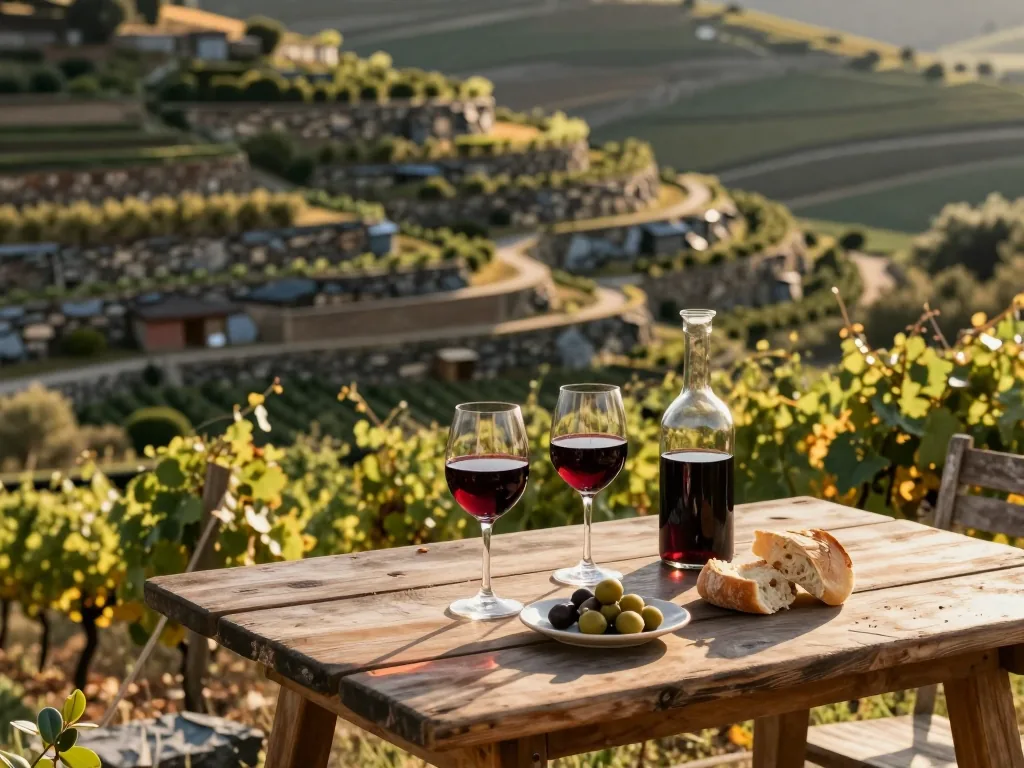
Beyond the Cellar Door: 7 Boutique Priorat Wineries Redefining Spain’s Most Dramatic Wine Region in 2026
Discover 7 boutique Priorat wineries redefining Spain’s dramatic landscape in 2026—top picks for intimate tastings, unique terroir, and unforgettable visits.
Spain’s Priorat has long been celebrated for its brutal, slate-laced slopes and wines of formidable intensity. But in 2026, the region’s true pulse beats in its hidden corners—tiny, family-run cellars where innovation meets a reverence for the ancient llicorella soils. This guide moves beyond the famous names to the boutique producers reshaping Priorat’s identity with low-intervention techniques, forgotten grape varieties, and a fiercely personal vision. You’ll find seven hand-picked wineries offering exceptional tastings and unforgettable encounters with the people and landscapes behind them. Whether you’re a seasoned collector chasing the next cult bottle or a traveler seeking an authentic taste of Catalonia’s most dramatic terrain, these destinations—from vertiginous terraces to modernist caves carved into the mountain—will define your next trip. And redefine what you thought Priorat could be.
Understanding Priorat’s Boutique Wine Landscape in 2026
What Defines a Boutique Winery in Priorat
In Priorat, “boutique” is not a marketing flourish but a precise scale of operation. The wineries that matter most are family-run estates producing fewer than 50,000 bottles per year, often steered by the second or third generation of the same lineage. These are not the large cooperatives or corporate-owned cellars that dominate other Spanish regions. Instead, they are obsessive, hands-on projects where the winemaker still walks every row of vines. The defining traits are consistent: a singular focus on old-vine parcels—many planted between 60 and 100 years ago—manual harvesting on impossibly steep slopes, and a cellar philosophy of minimal intervention. By 2026, the vast majority of these boutique estates have secured organic certification, and a growing number have crossed into biodynamic practice, using lunar cycles and herbal preparations to coax life from the region’s poor, rocky soils. When you visit, you are not tasting a brand; you are tasting a specific family’s interpretation of a single hillside.
The DOQ Status and Its Implications for Visitors
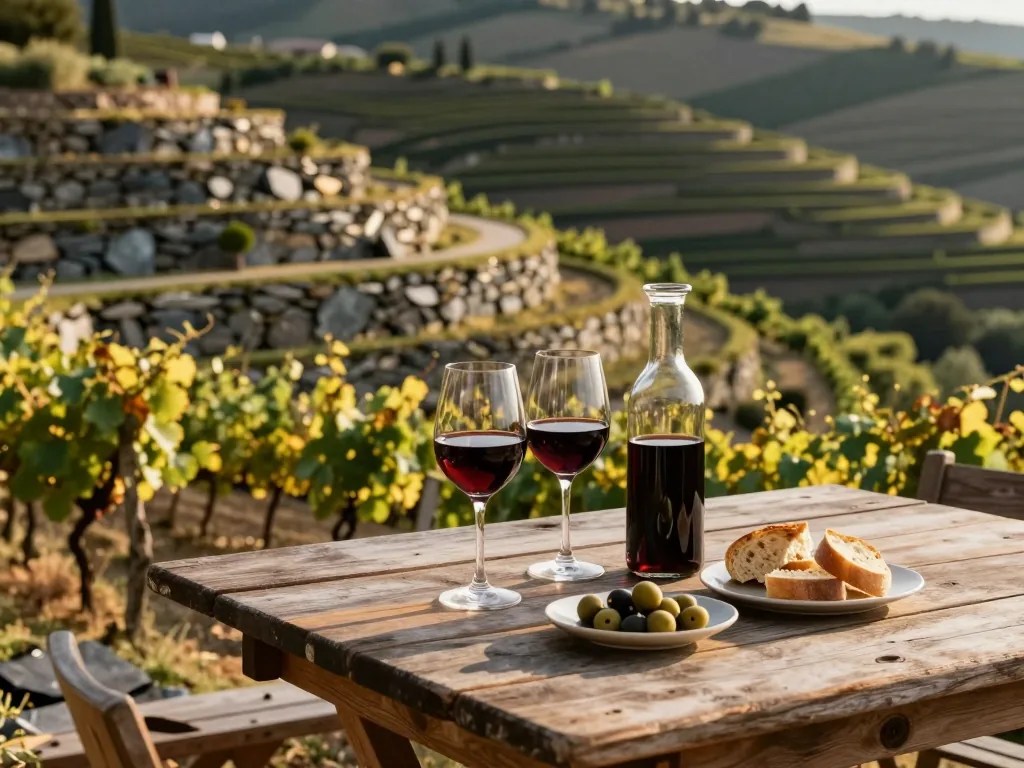
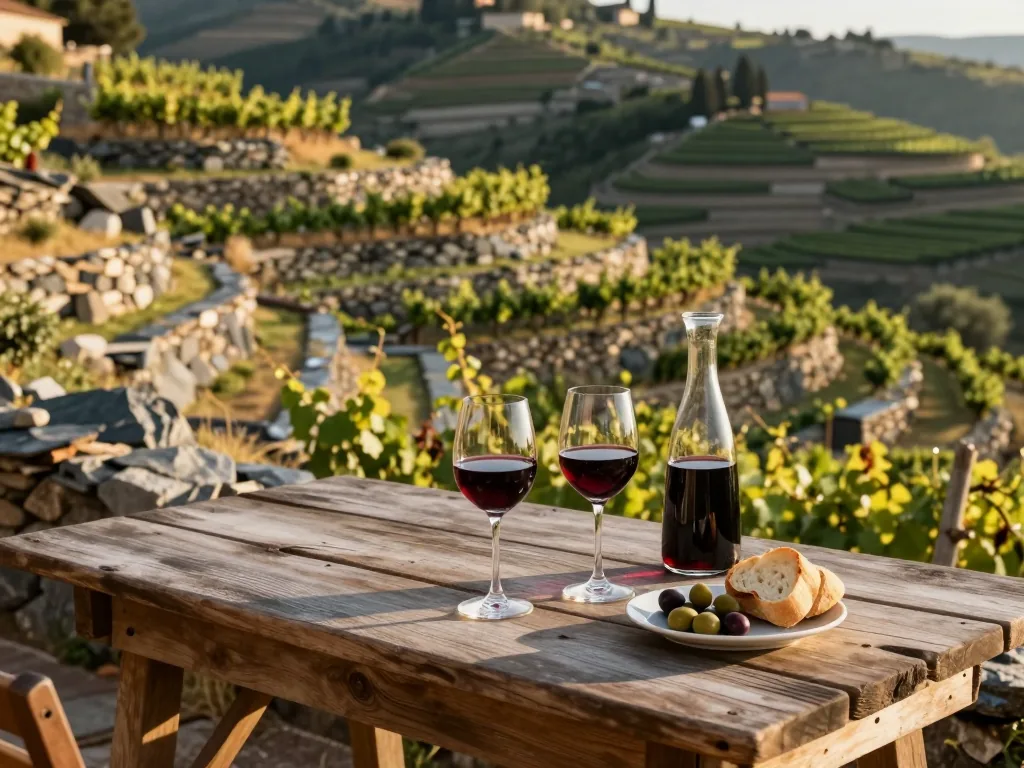
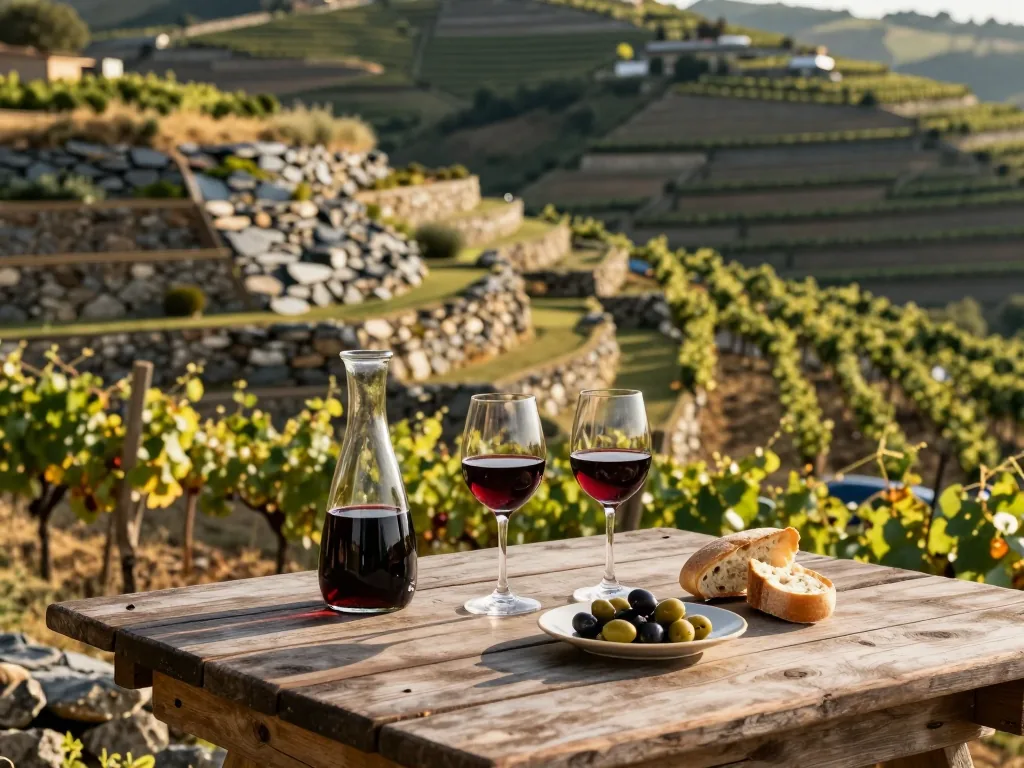
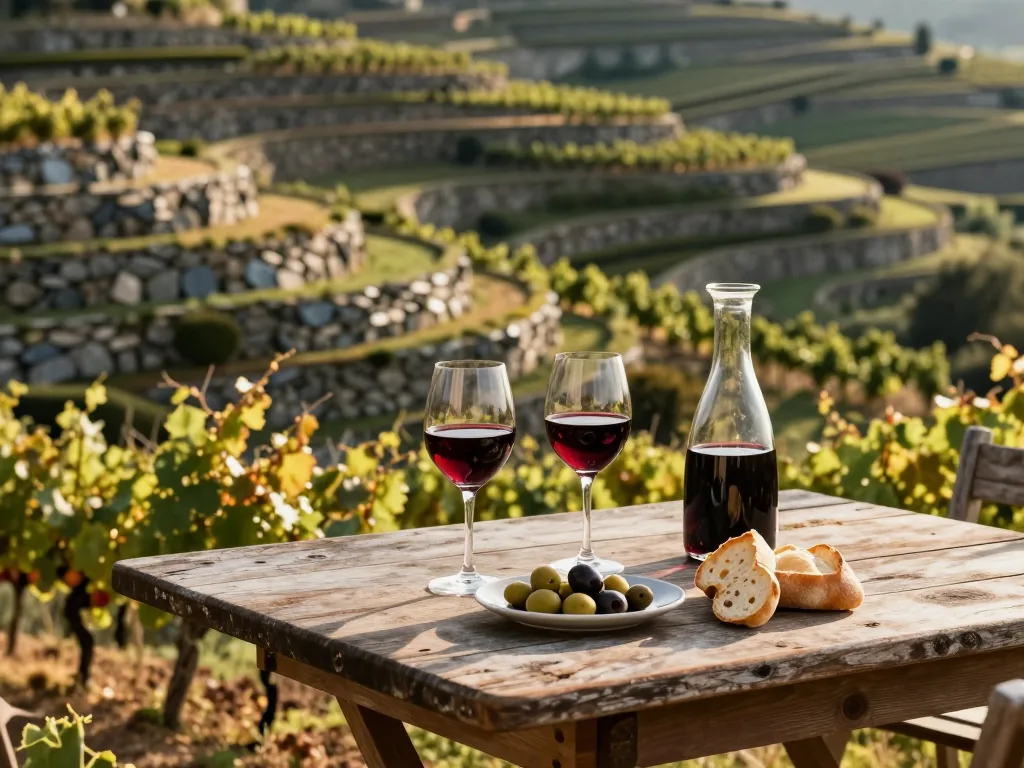
Priorat holds Spain’s highest wine designation, the Denominació d’Origen Qualificada (DOQ), a status shared only with Rioja. This is not a bureaucratic footnote; it has profound implications for your tasting experience. The DOQ enforces brutally strict yield limits—far lower than most Spanish appellations—and mandates rigorous quality controls. The result is that every bottle you taste from a boutique producer is premium, limited, and often sold out before release. For the visitor, this translates into a tasting culture that is radically different from the crowded, conveyor-belt experiences found in more commercial regions. Here, tastings are intimate by design, often hosted by the winemaker or a family member, and they are deeply educational. Expect to be walked through the iconic llicorella—the decomposed slate and mica schist terraces that give Priorat wines their signature minerality and dark, concentrated power. You will not just taste Garnacha and Cariñena; you will understand how the slate retains heat at night and forces vines to struggle, producing wines of remarkable depth. Visits are typically scheduled by appointment only, and the experience is deliberately slow, allowing you to connect each glass to the dramatic, terraced landscape just outside the cellar door.
Planning Your Route: Villages and Geographic Realities
To grasp Priorat’s dramatic range, base your itinerary on its four key villages: Gratallops, Porrera, Torroja del Priorat, and Bellmunt del Priorat. These are more than postcard hamlets—they are distinct geological and climatic microcosms. Gratallops, the most renowned, unfolds across a sunny amphitheater of slate, yielding wines with immediate aromatic generosity and fine, dusty tannins. A few kilometers away, Porrera’s steep cirques trap cooler air, producing wines of striking minerality and saline tension. Torroja, the highest, presents a more austere, high-altitude character: thinner llicorella slate, stark diurnal temperature swings, and razor-sharp acidity. Bellmunt, further east, stays the most rustic, its deeper, richer soils crafting powerful, dark-fruited expressions. Visit at least two—say, a morning in Porrera and an afternoon in Gratallops—and you’ll see the stylistic spectrum far better than with a single stop.
Navigating here demands a mindset shift. The roads are narrow, vertiginous ribbons carved into hillsides, with hairpin bends that command full attention. In 2026, rent the smallest car you can manage—a Fiat 500 or similar—and expect travel times roughly 30% longer than your mapping app suggests. Most boutique cellars offer limited parking: a gravel pull-off or a few spaces by the door. Be ready for a short, steep walk on uneven slate paths to the tasting room. Many exciting micro-producers sit up unpaved tracks; a standard car usually handles them in dry weather, but confirm the final access when booking. If it’s rained, call ahead—some tracks become impassable. Buffer at least 30 minutes between appointments, not just for driving, but for the sheer distraction of the terraces; you’ll want to stop and stare.
The 2026 Harvest Season: What to Expect
Timing and Weather Impacts
The 2026 harvest in Priorat officially kicks off in the final days of August and stretches through mid-October, but this is not a vintage of abundance. After a remarkably dry winter and a spring with barely a whisper of rain, the region’s iconic llicorella slate soils have absorbed every last drop of moisture, pushing the vines into a defensive, concentrated mode. For the old-vine Garnacha and Cariñena—many planted over 60 years ago on steep, terraced slopes—this stress translates into dramatically reduced yields, often 20–30 percent below a normal year. The upside is extraordinary: berries are small, thick-skinned, and packed with phenolic intensity. The resulting wines from 2026 will be darker in profile, with firmer tannins, higher natural acidity, and a remarkable depth of dark fruit, licorice, and mineral smoke. For collectors, this is a vintage to buy blind; for visitors, it means you will taste wines that are more structured and less approachable in their youth, so ask cellar masters for barrel samples to appreciate their true potential.
Visiting During Harvest: Opportunities and Limitations
Harvest is both the most magical and the most inconvenient time to visit Priorat’s boutique bodegas. On one hand, the air smells of fermenting must, and the hillsides buzz with pickers carrying plastic crates up impossibly steep paths. Many of the smaller wineries—those producing under 30,000 bottles annually—now offer special “harvest experience” tastings. These typically run from €45 to €90 per person and include a guided vineyard walk where you can taste grapes directly off the vine, a visit to the sorting table, and a seated tasting of the previous vintage alongside a tank sample of the current ferment. However, the romance comes with friction. Regular tasting hours are often slashed to make way for processing, and several cellars will only accept visits between 10:00 and 13:00, or close entirely on Sundays. Do not expect to walk in unannounced. You should book at least two to three weeks ahead, and for the most sought-after producers—like those with only a handful of daily slots—a month is safer. Also, be prepared for last-minute cancellations if a sudden rainstorm forces an early pick. Prioritize wineries that explicitly advertise harvest tours, and consider hiring a local driver, as the narrow, switchback roads become congested with tractors and trailers during this peak period.
Booking Your Tastings: Etiquette and Practicalities
Appointment-Only Culture and How to Secure a Slot
The rhythm of Priorat is unhurried, and nowhere is that more evident than at its cellar doors. Unlike the sprawling, walk-in-friendly bodegas of Rioja or Ribera del Duero, the boutique wineries profiled here operate strictly by appointment in 2026. This isn’t bureaucratic fussiness; it’s a function of scale. Most producers craft fewer than 20,000 bottles annually, and their wineries are often family homes, working cellars, or hillside caves where a stray visitor would be a genuine disruption. Expect a minimum group size of two to four people and a tasting fee of €25 to €60 per person, almost always waived upon purchasing two or more bottles. The most efficient route is the Priorat Enoturisme association’s updated 2026 list, which consolidates member wineries, their seasonal hours, and direct contact links. Email remains the most reliable channel, though a phone call in Spanish or Catalan—even with your rusty high-school vocabulary—goes a long way. For truly exclusive names like Terroir al Limit or Clos Mogador, book four to six weeks ahead for weekends, and at least two weeks for midweek slots between April and October.
What to Ask When Booking
Be precise in your reservation request. First, clarify the tasting format: is it a standing bar tasting inside the barrel room, or a seated, guided session with a view over the terraces? The former is more casual and cheaper; the latter often includes a vertical of two vintages and runs longer. Ask whether food pairings are offered—many boutique wineries now partner with local cheesemakers or olive oil producers, adding €15 to €30 per person. Language availability is crucial: while English is common, smaller family-run operations may only conduct tours in Catalan or Spanish, which can actually enrich the visit if you’re open to it. Inquire about minimum purchase requirements, as some estates expect you to buy at least one bottle to offset the tasting cost. Finally, and most importantly for your palate, ask directly whether the winery is certified organic or biodynamic. In Priorat, many growers farm without certification but follow regenerative practices; knowing this upfront shapes how the winemaker narrates the llicorella slate soils and the Garnacha’s response to drought. A well-informed question also signals respect, often unlocking a pour of a rare old-vine field blend that isn’t on the printed menu.
Grape Varieties and Wine Styles to Expect
The Core Varieties: Garnacha and Cariñena
Every serious Priorat bottle hinges on this iconic duo. Garnacha fuels generosity: ripe wild strawberry and raspberry, lifted by a warm, sun-soaked alcohol warmth. Cariñena—the gnarled, older workhorse rooted on the steepest slopes—pushes back with firm structure, bright acidity, and dark, savory notes of black olive, tobacco, and worn leather. You won’t often find these two alone in boutique cellars. Most producers blend in small doses of Syrah, Cabernet Sauvignon, or Merlot for color and polish. Yet a growing avant-garde champions single-varietal bottlings, especially old-vine Cariñena, which can feel almost ethereal despite its power. And if a cellar pours a 100% Garnacha from a steep, slate-laden plot, treat that glass as a revelation.
Tasting Notes for the 2026 Vintage
The 2026 vintage—shaped by an exceptionally dry season—is already stirring awe and caution in Priorat’s tasting rooms. Expect striking concentration, firm, almost chalky tannins, and pronounced minerality drawn straight from the region’s hallmark llicorella slate, a broken, shimmering bedrock that shatters underfoot and leaves a flinty, smoky stamp on every grape. On the nose, black cherry compote, dried thyme and rosemary, and a distinct licorice root character. But the best boutique producers aren’t chasing brute force. Many are pivoting to lighter, more elegant styles, aging in larger neutral oak or concrete eggs to preserve freshness and food compatibility. You’ll find reds that drink beautifully at 12.5% alcohol, with silky texture and a saline, almost oyster-shell finish. For visitors in 2026, the advice is simple: seek out wines that balance the vintage’s intensity with taut, nervous energy. Those bottles will define Priorat’s new golden era. Pricing at the cellar door typically runs €35 to €90 per bottle, with rare single-parcel cuvées climbing to €120–€180.
The Organic and Biodynamic Shift in 2026
The 2026 vintage marks a quiet but definitive turning point in Priorat: for the first time, a cluster of small estates—some with fewer than ten hectares of century-old Garnacha and Cariñena vines—are bringing in fully certified organic harvests. This follows a regional push toward sustainable viticulture that has accelerated since the early 2020s, driven by younger winemakers taking over family domains and a new generation of investors who prioritize soil biology over sheer output. While certification is not universal among the seven boutiques profiled here, the vast majority already farm organically in practice, even if they haven’t paid for the paperwork. When you visit, don’t just ask for the tasting list—ask about their specific approach to soil health. You’ll hear about cover crops of vetch and barley planted between the notorious llicorella slate terraces, compost teas applied by hand, and pheromone dispensers replacing insecticides for grapevine moth control. Some estates, like the tiny Mas d’en Gil, have gone further into biodynamic preparations, burying cow horns filled with quartz and spraying valerian extracts at dawn, though they’ll be the first to tell you it’s a philosophical choice rather than a marketing badge.
What does this mean for your glass and your visit? In practical terms, organic and biodynamic practices often result in lower yields—sometimes 30 to 40 percent below conventional neighbors—but healthier, deeper-rooting vines. The payoff is a more expressive, terroir-driven wine: expect ferrous, salty minerality, higher natural acidity, and a pronounced sense of place that screams black slate and wild rosemary. During tastings in 2026, producers are far more likely to walk you through their farming calendar than their barrel regimen. Be prepared for wines that show more vintage variation than their conventional counterparts—a 2024 might be taut and herbal, a 2025 opulent and dense, and the 2026, just released from tank, vibrantly fresh. This is not a flaw but a feature: you’re tasting a year, not a formula. For visitors, this shift also affects the cellar door experience. Many estates now offer vineyard walks as part of the tasting (typically from €25 to €45 per person for a guided tour with four to six wines), where you’ll see the actual cover crops and compost piles. Some charge a premium for reserve tastings that include older vintages, ranging from €60 to €120 per person. Ask about their pest-control strategies—many will proudly show you the insect hotels and raptor perches installed among the terraces. It’s a far more honest, engaging encounter than a sterile pour in a modern tasting room, and it’s exactly why Priorat’s boutique scene feels so vital right now.
Practical Logistics: Getting to Priorat and Getting Around
Transport Hubs and New 2026 Options
The dramatic, terraced landscape that makes Priorat so alluring also makes it genuinely remote, so planning your arrival is half the battle. Reus Airport, the nearest international gateway, sits roughly a 45-minute drive west; Barcelona El Prat is about 1.5 hours northeast. For 2026, there’s a welcome development: a new direct weekend bus service from Reus to Falset, the region’s capital, running from late September through October to align with harvest. It’s a practical option if you’re tasting heavily and prefer not to drive—though it does limit you to weekends and a fixed schedule. For most visitors, a rental car remains non-negotiable. The winding roads to remote cellars in Gratallops or Poboleda are rarely served by public transport, and the freedom to stop at a hillside vineyard on a whim is part of the magic. If you do drive, budget extra time: what looks like 15 minutes on a map often takes 30 on narrow, switchback-laden roads.
Accommodation and Dining Considerations
Base yourself in Falset, Gratallops, or Torroja to minimize driving between appointments. Falset offers the widest range of practical hotels and services; Gratallops is the epicenter of boutique wine culture, with several producers offering overnight stays in renovated stone farmhouses (expect €120 to €250 per night for a double with breakfast). Torroja is quieter, more authentic, and ideal if you want to escape the wine-tourist trail. For dining, skip formal restaurants in favor of village bars and family-run cellers serving regional cuisine. Look for chalkboard lists of local wines by the glass—the single best way to sample five different boutique producers in one sitting without ever starting the engine. Many of these places rotate their pour list weekly, so you’ll often find rare, single-vineyard bottlings that never leave the region. Lunch typically runs from 1:30 to 4:00 PM, and many wineries close for a two-hour break, so plan your morning tasting to end by 1:00 PM.
Advanced Considerations for the Wine-Savvy Traveler
If you’ve already worked through the region’s flagship reds, Priorat’s real depth only surfaces when you look past current releases. The most rewarding visits in 2026 aren’t in grand halls but in quiet, appointment-only cellars, where the talk turns to time, terroir, and transformation.
Vertical Tastings and Library Vintages
Some boutique estates—often family-run with cellars stretching back generations—keep a small stash of library bottles that never hit the open market. Ask about them; it’s essential. A vertical tasting, lining up three to five vintages of the same wine side by side, is an unmatched lesson in how the region’s llicorella slate and the pronounced dryness of recent years—especially the tough 2026 vintage—play out in bottle. You’ll watch youthful, iron-driven tannins soften into silky, savoury depth, and see fruit shift from dark cherry to dried fig and wild herbs. Expect to pay a premium for these older bottles: anywhere from €60 to €150 per person for a structured library tasting, depending on the estate and the vintage’s age. Always call or email ahead to check availability, since these wines rarely appear on any public list.
Connecting with the Next Generation of Winemakers
The real draw of small producers in 2026 is the people. Many boutique estates are now run by the second or third generation—winemakers who came of age in the 2000s, studied abroad, and returned speaking fluent English with a restless curiosity. They’re keen to share projects outside their flagship range: skin-contact Garnacha Blanca that tastes of orange peel and wet stone, pét-nat from old-vine Carignan, or single-parcel bottlings that capture one hillside’s microclimate. Press them on climate adaptation, vine age, and what Priorat’s identity might become in a decade no longer defined solely by powerful red blends. These conversations are where the region’s future is being shaped.
Key questions to ask during a tasting:
- What is the average vine age in this parcel?
- How did the 2026 drought affect your yields and flavour profile?
- Are you certified organic or biodynamic, and what practices do you follow?
- Do you offer any single-vineyard or old-vintage tastings?
- What food pairings do you recommend for your current releases?
“In Priorat, the best tastings are not about quantity but about time—time spent on the terrace, time spent with the winemaker, and time spent letting a glass of old-vine Garnacha open up in the dry mountain air.” — A common sentiment among boutique producers in 2026.
Priorat’s true magic has never been about grand estates. It’s the fiercely personal, terraced labor of families and visionaries who coax liquid slate from volcanic soil. The seven wineries profiled here prove that 2026’s most thrilling tastings happen not in sterile halls, but in crumbling stone cellars with a single barrel and a story. Whether you chase the smoky elegance of a Garnacha from Gratallops or the mineral tension of a Carignan from Porrera, your next step is simple. Book a small-group tour that includes at least three of these producers. Then let the region’s steep, silent amphitheaters do the rest. Don’t rush. The best Priorat rewards those who arrive with time, curiosity, and a designated driver.
Gallery
Frequently Asked Questions
What makes a winery in Priorat 'boutique' in 2026?
A boutique winery in Priorat typically produces under 50,000 bottles annually, often from estate-grown fruit on the region's iconic llicorella slate slopes. In 2026, these wineries emphasize hands-on, low-intervention winemaking, with many offering limited single-parcel bottlings that showcase the steep, terraced vineyards.
Which small wineries in Priorat are currently considered must-visits for their cellar-door experiences?
Clos Mogador, Clos Erasmus, and Terroir al Limit are widely praised, but for intimate visits, look to smaller names like Celler Devinssi, Celler Mas Doix, and Celler Laurona. These wineries offer guided tours that include walking their historic dry-stone terraces, and in 2026 many have upgraded their tasting rooms with panoramic views of the Montsant mountain range.
How far in advance should I book a visit to a boutique Priorat winery in 2026?
For the most sought-after producers like Clos Erasmus or Clos Mogador, booking at least 4-6 weeks ahead is essential, especially for weekend slots from April to October. Smaller wineries like Celler Devinssi or Celler Mas Doix can often accommodate within 7-10 days, but always confirm via their websites, as many now require pre-paid reservations to manage visitor caps.
What is the typical structure of a boutique winery visit in Priorat in 2026?
Most visits start with a short vineyard walk through steep, slate-soil plots, followed by a cellar tour showing small concrete or oak fermentation vessels. Tastings usually include 4-6 wines, often featuring a current vintage and a library wine, with many wineries now offering optional food pairings of local olive oil, cheese, and cured meats.
Are there any boutique Priorat wineries that focus on white wines or unusual grape varieties?
Yes, Celler Devinssi and Celler Mas d'en Gil are known for their experimental whites using Garnacha Blanca, Macabeu, and even Pedro Ximénez. In 2026, Terroir al Limit also produces a highly regarded white from old-vine Garnacha Blanca, and several micro-wineries like Celler Clos del Portal offer skin-contact whites that reflect the slate's mineral intensity.
What is the best time of year to visit boutique wineries in Priorat for optimal weather and harvest activity?
Late September to mid-October is ideal, as you can witness the manual harvest on steep terraces and taste the previous vintage just bottled. Spring (April-May) is also excellent for mild temperatures and blooming vineyards, but note that many wineries close for a few weeks in August for summer holidays.
Do boutique Priorat wineries in 2026 offer any unique experiences beyond standard tastings?
Several now offer 'vineyard-to-glass' workshops where you can blend your own Garnacha-Cariñena cuvée, and a few like Celler Mas Doix host evening tastings with live acoustic music on their terraces. Some also arrange guided hikes through their own forested parcels, ending with a picnic and a vertical tasting of older vintages.
How do I get to the remote boutique wineries in Priorat without a car?
While a car is most convenient, in 2026 you can book private wine tours from Falset or Gratallops that include pickup and a designated driver. Alternatively, some wineries like Clos Mogador and Terroir al Limit are within walking distance of the village of Gratallops, and a few offer electric bike rentals from their cellars for exploring nearby slopes.
What should I know about Priorat's wine styles when visiting boutique producers in 2026?
Expect powerful yet refined reds from Garnacha and Cariñena, but modern boutique wineries are shifting toward lower alcohol and more freshness, often using whole-cluster fermentation and larger oak. Many 2026 releases emphasize elegance over extraction, with notes of black cherry, licorice, and the distinctive smoky-mineral character from the slate.
Are there any boutique wineries in Priorat that are particularly family-friendly or accessible for non-wine-drinkers?
Celler Mas Doix and Celler Laurona have spacious outdoor areas and offer grape juice tastings for kids, plus simple picnic menus. For non-wine-drinkers, several wineries now serve local vermouth or non-alcoholic sparkling wine made from Garnacha, and most cellar doors have shaded seating with stunning valley views.